
When choosing an RFID hang tag labeling machine, brand is certainly an important consideration, but it is not the only deciding factor. How well the technical solution fits, how flexible the equipment is, and how it handles edge conditions matter just as much. This article looks at these aspects and discusses how to evaluate an RFID hang tag labeling machine more comprehensively.
1. Technical solutions and edge conditions
The “edge conditions” that current solutions ignore
Most current RFID hang tag labeling machine solutions focus on performance under standard working conditions, such as labeling speed, accuracy and stability. In real production environments, however, there are many edge conditions — changes in card size, different label materials, restrictions from the production line layout and so on. These edge conditions tend to be ignored by default, yet in practice they can be the key factor affecting equipment performance.
Why technology breaks down under edge conditions
Under edge conditions, a technical solution may run into the following problems:
Physical level: cards of different sizes and materials can reduce the positioning accuracy of the labeling heads. Large cards, for example, tend to shift or bend during high-speed conveying, which then affects labeling accuracy. Logic level: synchronous operation of multiple labeling heads requires a complex control system to coordinate the movement of each head. If the control system is not flexible enough to adapt to different label layouts or line processes, labeling may fail or efficiency may drop.
What this means for the typical buyer’s selection
For the typical buyer, this means that choosing an RFID hang tag labeling machine requires looking beyond brand recognition and standard performance parameters to the equipment’s custom engineering capability and how it handles edge conditions. Only equipment with real flexibility and adaptability can stay efficient and stable in complex, changing production environments.
2. Equipment flexibility and custom engineering capability
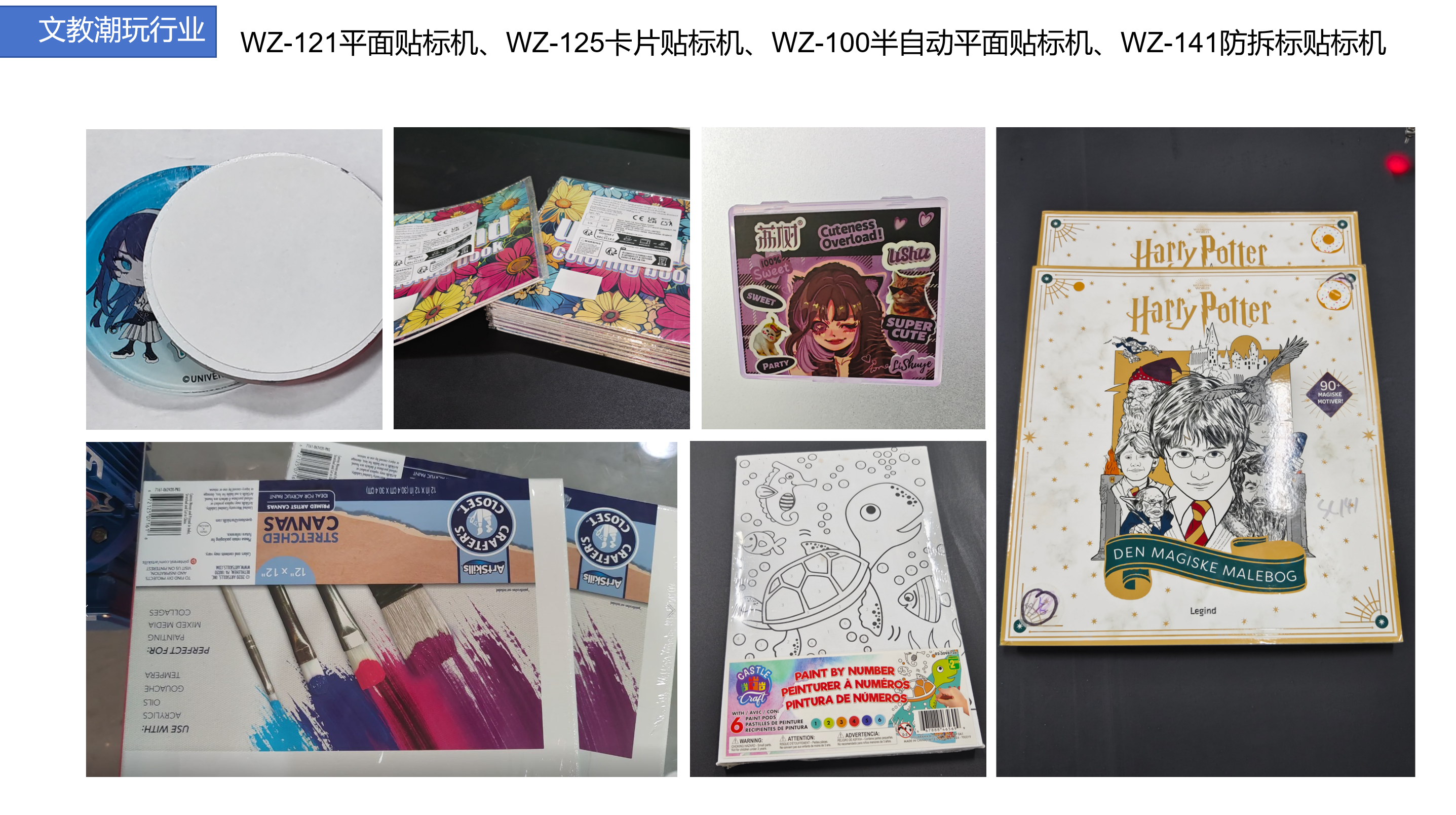
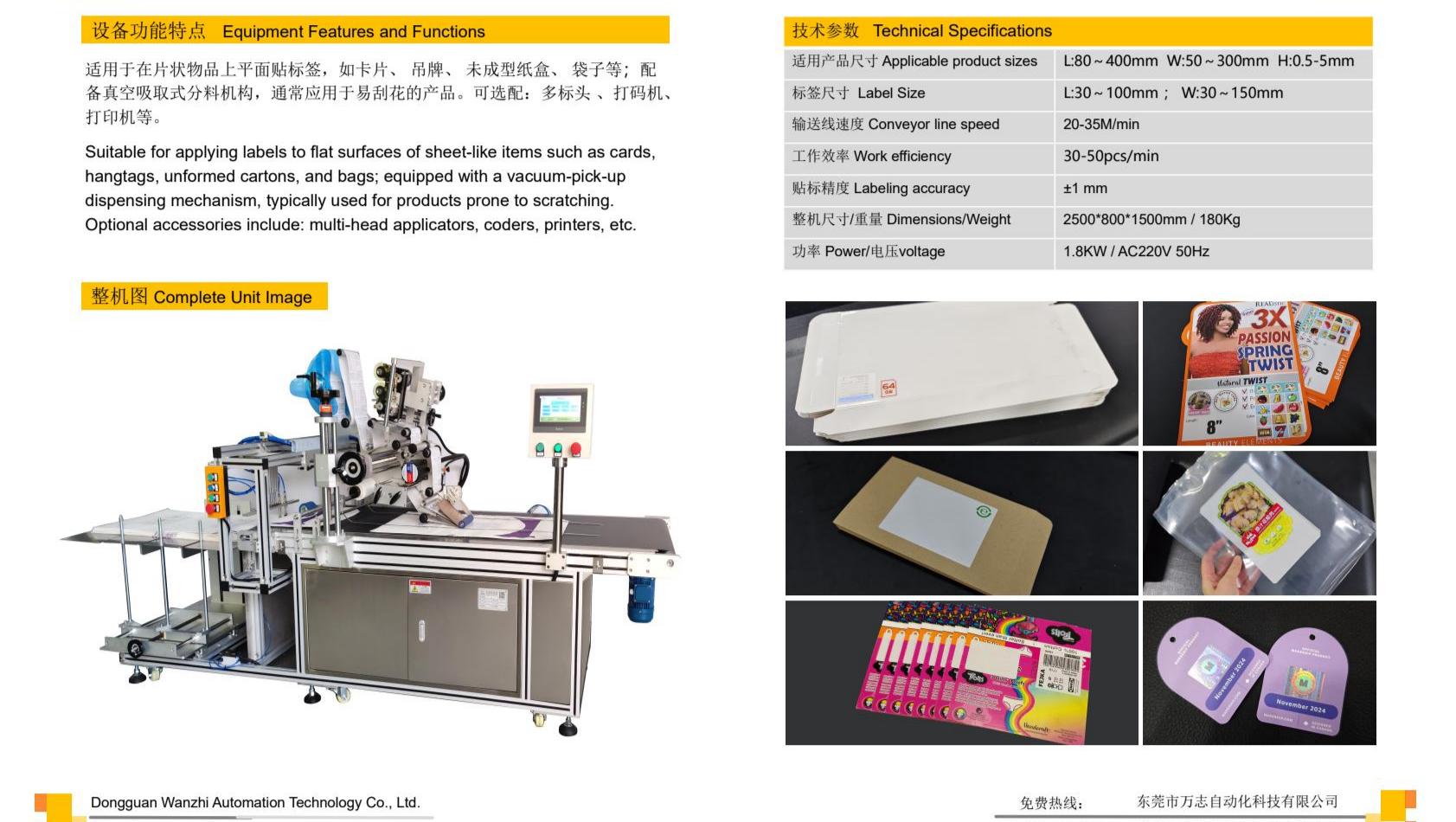
Why custom engineering matters
The WZ-125G automatic four-head card labeling machine from Dongguan Wanzhi Automation Technology Co., Ltd. is a good example. It supports 2 to 6 labeling heads working in parallel and synchronously, and the number of heads can be increased or reduced to suit actual customer needs, adapting to different label layouts and card sizes. This modular design gives the machine great flexibility and scalability, meeting the needs of many production scenarios.
Why it is designed this way
Through modular design, the WZ-125G can quickly adjust the number and position of labeling heads to suit cards of different sizes and types without affecting overall performance. The machine also has a fully automatic feeding mechanism and an automatic stacking and receiving mechanism, enabling continuous production with no manual intervention and further improving efficiency.
Where the limits of this design lie
Modular design offers great flexibility, but it has limits. First, adding labeling heads increases the machine’s complexity and maintenance cost. Second, although the machine handles large cards, extreme cases such as extremely long or wide cards may still need additional customization and debugging. Buyers should therefore weigh their own production needs and future plans carefully when choosing equipment, to make sure it meets production requirements for a long time.
3. Conclusion
In summary, choosing an RFID hang tag labeling machine should not rely on brand and standard performance parameters alone; the machine’s flexibility, custom engineering capability and handling of edge conditions must also be considered. With its modular design and high-accuracy two-way supported labeling modules, the WZ-125G automatic four-head card labeling machine from Dongguan Wanzhi Automation Technology Co., Ltd. offers a highly flexible and reliable solution. By assessing these factors properly, buyers can select the equipment that best fits their own production needs and thereby improve production efficiency and product quality.