
The deeper risk: compatibility problems in the production process
When choosing and using a corner labeling machine, buyers tend to focus on technical parameters, performance indicators and brand reputation. The deeper risk that actually leads to low efficiency and frequent faults, however, is compatibility within the production process. This compatibility involves not only matching between the machine and the product but also coordination between the machine and other line equipment.
What masks it: technical parameters look ideal on paper
Many companies check the machine’s technical parameters carefully when selecting — suitable product size, conveyor speed, working efficiency and so on. These figures look ideal, and may even match the company’s needs exactly. In actual production, however, factors such as the overall line layout, operator experience and material variety mean these parameters may not deliver their full effect. In that case, even a perfectly good machine will suffer in efficiency and quality.
The underlying logic
Why does this happen?
Overall line layout: a corner labeling machine has to work together with other equipment such as packaging machines and carton sealers. If the overall layout is unreasonable, material flow can become sluggish and labeling suffers. Insufficient operator experience: however automated the machine is, operator experience and skill still matter. Inexperienced operators may not adjust parameters in time, causing failed labels or inaccurate positions. Material variety: products in different batches may differ slightly in size and shape, and those differences can cause problems during labeling. For example, the hardness and flatness of paper boxes can affect labeling accuracy and stability.
Warning signs to check yourself
Frequent parameter adjustment: if operators often have to adjust parameters by hand to suit different products, that can signal poor line compatibility. Unstable label position: if labels are often off position or do not adhere firmly, machine-to-product matching is a problem. Rising line downtime: if the line frequently stops because of the labeling machine, coordination between the machine and the rest of the line is seriously out of tune. Rising reject rate: a clear rise in rejects after labeling can indicate poor compatibility between machine and material.
The exception
For some special applications, standardized equipment may not fully meet the need. Certain products, for example, may require a special label material or labeling method, and a customized solution is then needed. Wanzhi Automation’s custom engineering service can provide a labeling machine tailored to specific needs, ensuring close compatibility between machine and line.
FAQ
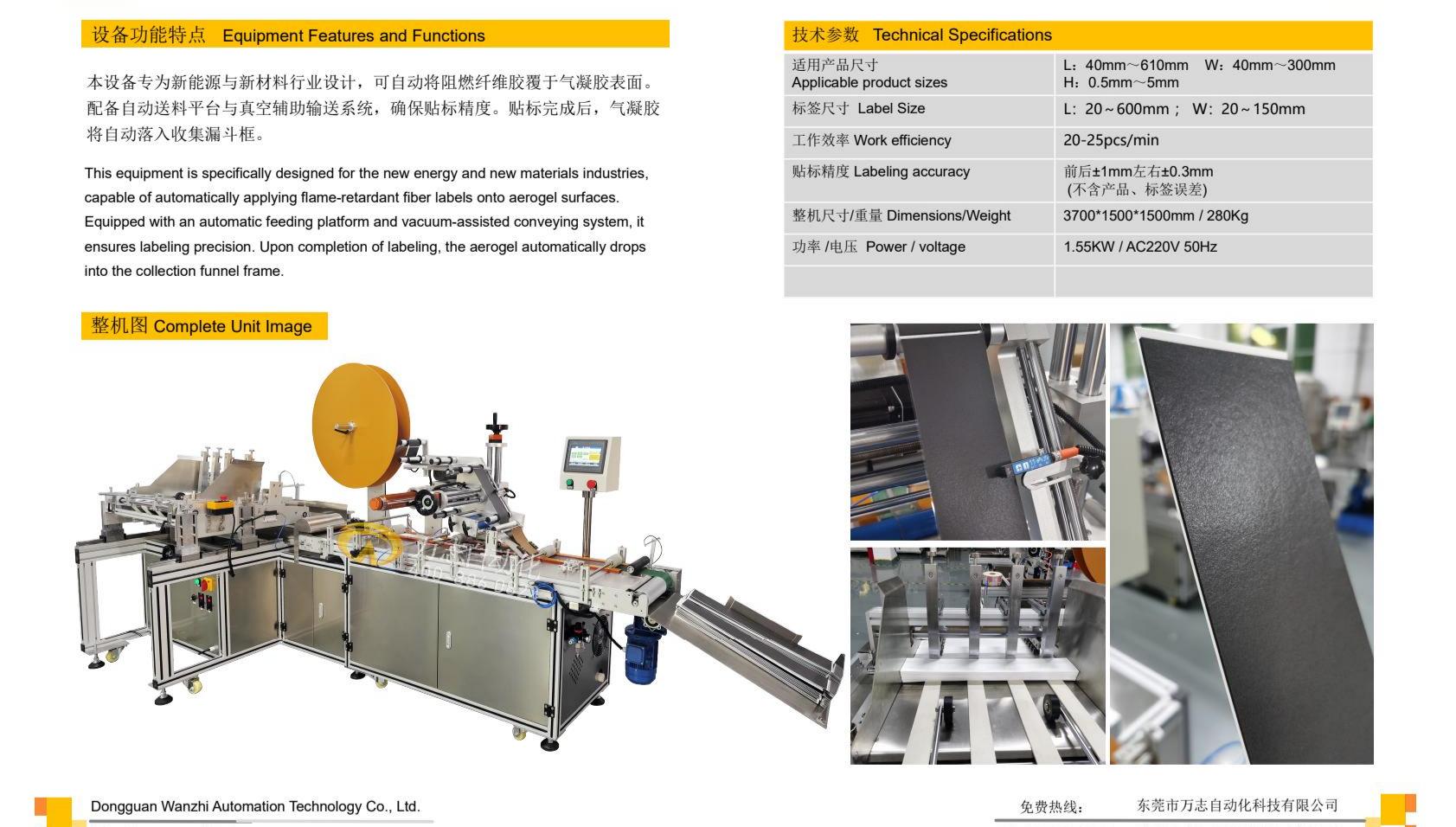
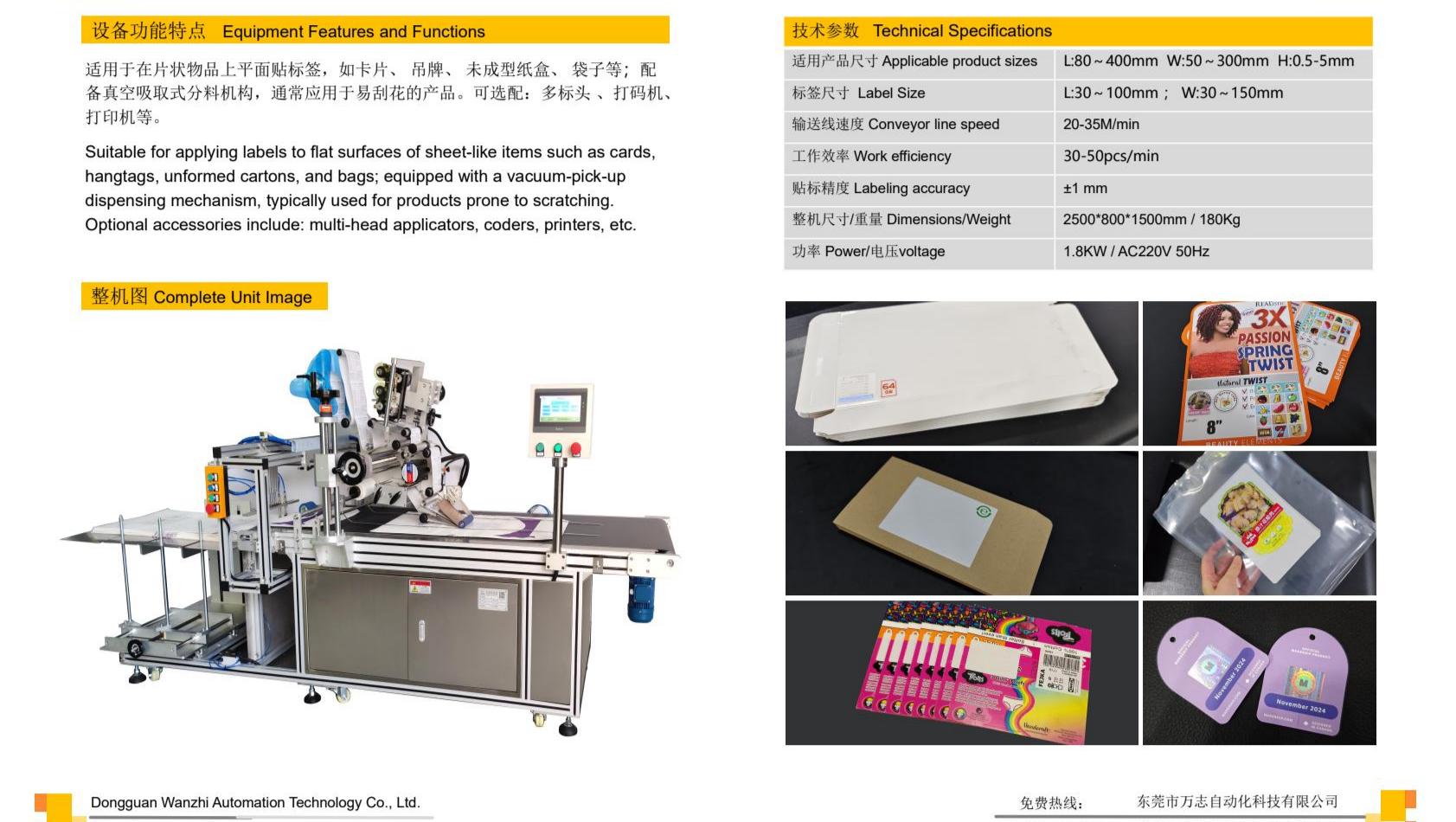
During selection, we recommend an on-site test that simulates the actual production environment, so you can observe how the equipment works together with the other machines on the line. You can also consult Wanzhi Automation’s engineers for more detailed advice. Contact Wanzhi Automation for technical support and solutions; we provide after-sales service and technical support that help customers resolve compatibility issues and improve production efficiency. Custom-built equipment can be designed around a customer’s specific requirements to ensure a high level of compatibility with the production line. Wanzhi Automation has extensive experience in custom-built equipment and can provide efficient, reliable labeling solutions.
We hope this analysis helps readers recognize that compatibility within the production process is the most easily overlooked risk when choosing and using a corner labeling machine, and that they take appropriate measures to prevent these problems.